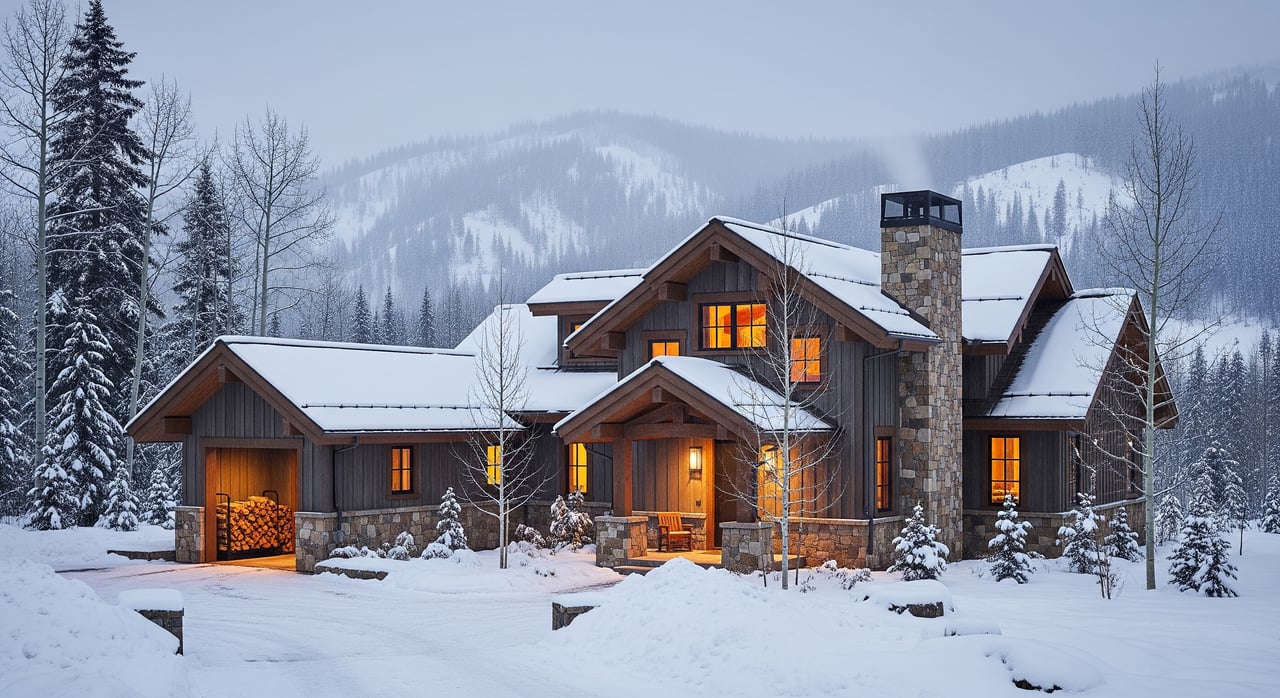
Essential New Meadows Winterizing Tips for Mountain Homes
Winter in New Meadows is stunning, but it can be tough on a mountain home. If you split time between the valley and the city, or you live here year‑round, you know that deep freezes and fast snowstorms can stress roofs, plumbing, and access. The good news: a simple, local plan keeps your place safe, warm, and ready for every cold snap. Below you’ll find clear steps, a seasonal timeline, and trusted resources to help you winterize with confidence. Let’s dive in.
New Meadows sits in a mountain valley where long freezes, heavy snow, and quick weather shifts are common. Storms can limit road access and delay service calls, so you want systems that prevent damage and buy you time. Check local forecasts and road conditions often, and build your plan around the idea that access may be delayed during major events.
Schedule annual service for your furnace, heat pump, or boiler and a chimney sweep for any wood or pellet stove. Replace filters and confirm all safety shutoffs work. Install and test carbon monoxide detectors on every level and near sleeping areas. A smart thermostat lets you track temperature remotely and set a safe minimum to protect pipes.
If you heat with propane or oil, arrange a fall fill and consider an automatic delivery plan. For wood stoves, secure seasoned firewood and store it off the ground with a cover. If your property is near national forest land, review local firewood rules before cutting or hauling.
Consider a standby generator with a transfer switch or a properly rated portable unit. Test it before storms, and store enough fuel safely. Make a simple outage plan that includes safe operation, ventilation, and how you will monitor indoor temperatures if you are away.
Mountain roofs can carry significant snow, but loads add up fast. Use a long‑handled roof rake from the ground to clear eaves after storms. Hire pros for steep or high roofs. If you see sagging, leaks, or heavy buildup, call a qualified roofing or structural professional and check state guidance on snow loads and permits.
Ice dams form when warm attic air melts snow high on the roof that refreezes at the eaves. Reduce risk by improving attic insulation, sealing attic air leaks, and maintaining balanced ventilation. When reroofing, ask about ice‑and‑water shield at the eaves. Heat cables can help in specific trouble spots, but they are a last resort and should be installed to code.
Insulate exposed pipes in crawlspaces, garages, and exterior walls. Add heat tape on vulnerable lines per manufacturer instructions, and ensure a proper power source. Cover hose bibs or install frost‑free hydrants. Keep interior doors open so warm air circulates to plumbing runs.
For seasonal vacancy, the most reliable approach is to shut off the main water, drain the system, and add RV or marine antifreeze to traps and toilets per product guidance. If you plan to keep minimal heat on, combine insulation with heat tape on vulnerable lines and remote temperature and leak monitoring. Review winter storm guidance for preventing frozen pipes.
Insulate the area above your tank and drainfield where practical, and avoid heavy equipment or plow compaction on the leach field. Know the clean‑out locations and keep them accessible.
Seal air leaks in the attic around recessed lights, ducts, and plumbing penetrations before adding insulation. Preserve soffit airflow with baffles so intake vents stay clear. Weatherstrip doors, caulk window gaps, and consider storm panels or insulated curtains if you use the home intermittently.
Smart thermostats, leak sensors, and power‑outage alarms can notify you before a minor issue becomes a major claim. Place leak sensors near water heaters, under sinks, and in mechanical rooms. Choose devices with battery backup and consider cellular connectivity if your internet is unreliable. Professional alarm companies can provide monitored temperature and water alerts if you are away often.
Line up a snow‑plow or snow‑blowing contract in early fall. Confirm response times and where snow will be stacked so it does not block garages, propane tanks, or septic covers. Trim dead or overhanging limbs near the house and driveway before winter since snow and ice can bring branches down. Always check road conditions before heading up, and keep basic emergency supplies on hand in case travel is delayed.
Late summer to early fall
Early fall
Pre‑winter
Mid‑winter
Spring thaw
Before hiring, ask for:
Preparing to sell or hand off your home for the season? Request a seller pre‑sale winter‑prep consult as part of our listing preparation. For local guidance tailored to your property, reach out to the Sadie Noah Real Estate Group.
Sadie Noah Real Estate Group is a dynamic team of professionals dedicated to delivering exceptional service and results. With their expertise and passion, they guide clients through the real estate journey with care, ensuring their dreams become reality.