When to Sell Land in Council Idaho for a Stronger Sale
If you are thinking about selling land in Council, timing can shape everything from first impressions to buyer confidence. In a rural market, buyers want to see access, walk the ground, and understand what they are buying without weather getting in the way. The good news is that there is a practical window that often gives sellers the best chance to stand out and attract serious interest. Let’s dive in.
For most landowners in Council, late spring through early summer is usually the strongest time to bring a parcel to market. That timing lines up with better weather, easier access, and a property that is simply easier for buyers to evaluate in person.
According to NOAA climate normals for Council, average highs rise from 33.4°F in January to 61.3°F in April and 71.8°F in May, with the hottest and driest stretch arriving in July and August. For many acreage properties, that means snow has melted, the ground is easier to inspect, and buyers can get a clearer view of terrain, access, and usability.
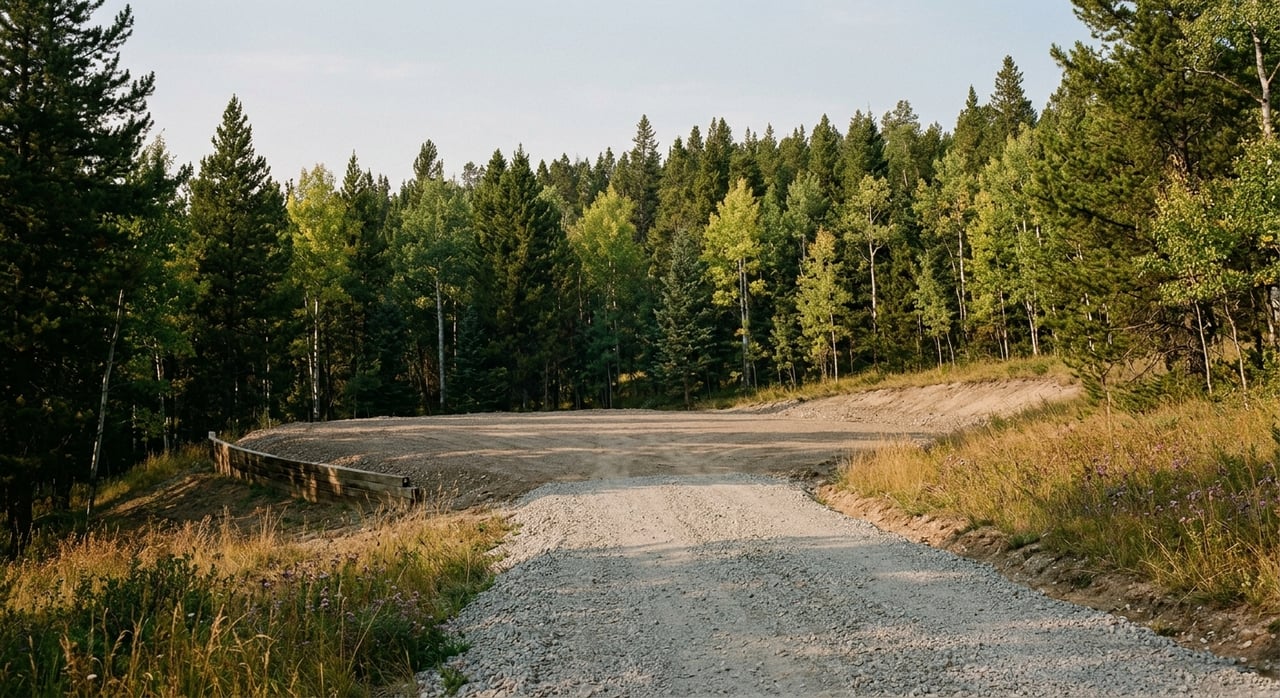
If your parcel depends on seasonal roads, this timing matters even more. The Payette National Forest seasonal road guidance notes that, in general, roads are open from April 1 through December 31 except for listed routes, and actual opening dates can vary based on snow and access conditions. In plain terms, if a buyer cannot reliably reach the property, it is harder to create momentum.
Land buyers in Council often need to do more than pull into a driveway and look around. They may want to walk fence lines, inspect slopes, check road conditions, or understand how a parcel connects to surrounding land.
That process is usually simpler after snowmelt and before fall weather returns. If your land is on or near forest access routes, waiting until roads are reliably open can reduce uncertainty and make showings smoother.
Acreage tends to show better when buyers can actually see the ground. In spring and early summer, the land often presents more clearly because access points, topography, and site features are not hidden by winter conditions.
This matters because buyers often make decisions based on practical questions. They want to know where they can drive, where they can build, and how the parcel feels in person.
Local activity is not flat throughout the year. A snapshot from Land.com for Adams County land listings reports 63 properties for sale over 10 acres, totaling 7,439 acres on the market, with a median list price of $1.25 million, a median price per acre of $10,607, and a median days on market of 181 days.
That median marketing time is a helpful reminder that land sales often move in months, not weeks. Starting with the strongest seasonal presentation can help you avoid losing valuable time during a slower or less accessible period.
Not every parcel needs the same launch date. If your land has year-round frontage on a plowed road, your timing may be more flexible because buyers can access and inspect it more easily across the year.
Even then, spring and early summer often still offer the cleanest showing conditions. Snow-free access and better visibility can make the land easier to market, photograph, and explain.
One of the smartest strategies for Council land sellers is to use winter as your planning season. Because local land listings can take time to sell, getting your paperwork, property details, and marketing ready before spring can put you in a stronger position.
Think of it this way: if buyers are most comfortable walking the property in late spring or early summer, you want to be ready before that window opens. That gives you time to verify documents, answer likely buyer questions, and present the parcel clearly from day one.
For land sales, documentation can be just as important as price. The Adams County Clerk-Auditor-Recorder records land documents such as plat maps, surveys, easements, assertions of right-of-way, and some liens.
The county also notes that a conveyance of real property must include the grantee’s mailing address and a full legal description. If your records are incomplete or outdated, it is worth addressing that before your listing goes live.
If there is any uncertainty about acreage or boundaries, handle that early. Adams County’s assessor information says acreage corrections and boundary changes may require surveys, and a title company or surveyor may help create documents needed for a lot-line adjustment.
That is important because land buyers often focus on exact boundaries, access points, and legal descriptions. The more clearly you can document those items, the easier it is for buyers to move forward.
If the parcel has a well or septic system, collect those records before marketing begins. The Idaho Department of Environmental Quality septic guidance says a property owner should have a site evaluation performed by the public health district and a licensed septic system installer before purchasing property and applying for a permit.
For wells, Idaho Department of Water Resources well records can include details such as well size, depth, geology, depth to water, water levels, flow rate, and scanned well-driller reports. Buyers commonly want this information upfront, especially on rural acreage.
If your parcel has development potential, verify what the county allows before you list it. Adams County Planning & Zoning provides forms and information for rezone requests, variances, boundary line adjustments, conditional use permits, property splits, and subdivision change requests.
That does not mean you need to complete every process before listing. It does mean you should understand the current status of the property so you can market it accurately and answer buyer questions with confidence.
If your land is classified as timberland, timing may involve more than weather and access. According to the Adams County Assessor FAQ, timberland owners must designate all of their timberland statewide under the same option, and land removed from the timber program can trigger deferred-tax treatment in some cases. The county also states that removal from the program is effective January 1 of the next year.
For sellers in this category, the best listing strategy may depend on both tax timing and market timing. It is wise to review that classification early so you understand how it may affect your sale plan.
If you want a practical framework, here is the clearest approach for many Council landowners:
This approach helps you align your listing with how buyers actually shop for rural land in Adams County.
Even when timing is right, land can be harder to market than a home. Buyers may be local, regional, or out of area, and many need strong visuals and clear property information before they decide to visit.
That is where polished presentation and local guidance can make a real difference. With the right strategy, your listing can highlight access, usability, documentation, and the property’s strongest features in a way that helps serious buyers act with confidence.
If you are thinking about selling acreage in Council, a customized market plan can help you choose the right launch window and prepare your property for the strongest possible debut. For tailored guidance and high-touch service, connect with Sadie Noah Real Estate Group.
Sadie Noah Real Estate Group is a dynamic team of professionals dedicated to delivering exceptional service and results. With their expertise and passion, they guide clients through the real estate journey with care, ensuring their dreams become reality.