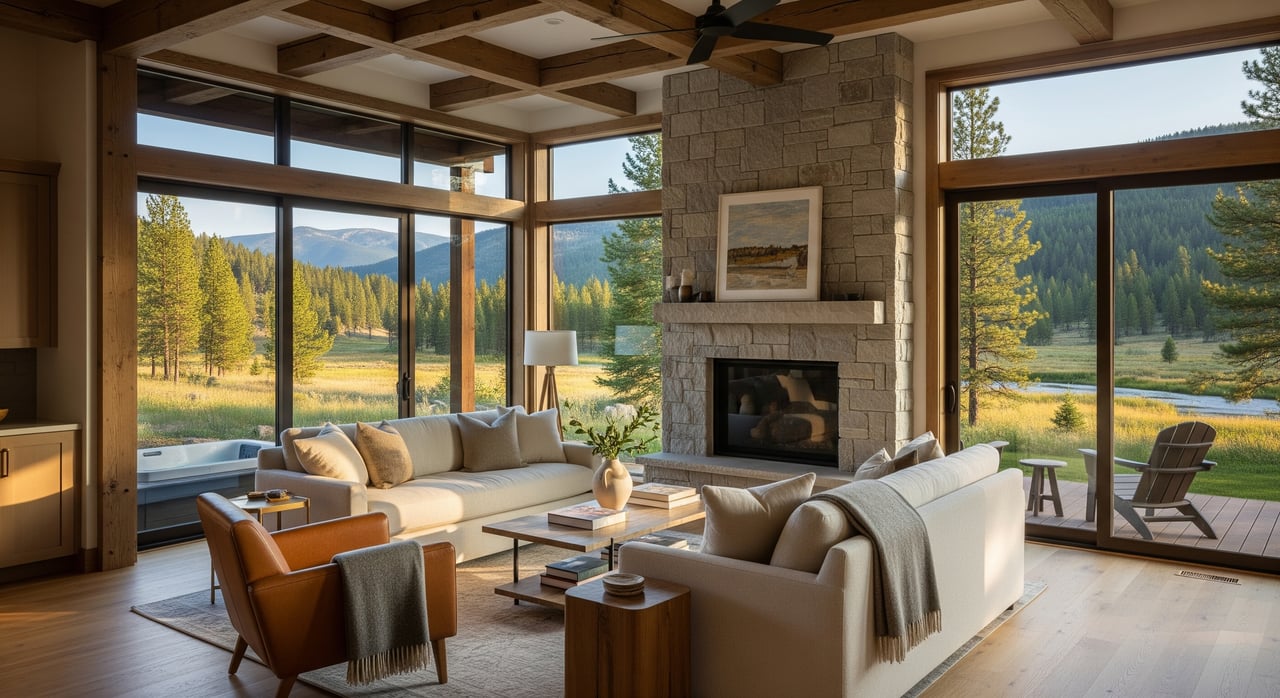
What Turnkey Means for New Meadows Cabins
Shopping for a “turnkey” cabin in New Meadows sounds simple enough. You want to arrive, turn the key, and start enjoying the mountains without a punch list of repairs. The reality is that turnkey can mean different things from one listing to the next. In this guide, you’ll learn what turnkey should include for cabins in Adams County, how to verify the details, and how sellers can document their claims so deals close smoothly. Let’s dive in.
At its core, turnkey means move-in ready. For cabins around New Meadows, that usually includes a functioning water source, a working wastewater system, reliable heat, connected utilities, essential appliances, and basic furnishings. You should be able to occupy the cabin or begin renting with minimal additional work.
There is an important nuance. Turnkey is a marketing term, not a legal guarantee. To protect yourself, make the specifics part of your contract and attach a detailed inventory list. Ask for recent inspections or service records to support any claims about condition and operability.
Many rural cabins in Adams County rely on private wells. Confirm well construction and permits, and verify that the pump and pressure system are working. Review well logs and rights through the Idaho Department of Water Resources.
Order current water quality testing. The U.S. Environmental Protection Agency’s private well guidance recommends periodic testing for coliform bacteria, nitrates, and other locally relevant contaminants. Ask for recent lab results and any service records.
Onsite septic systems are common around New Meadows. A “working septic” claim should be backed by an inspection report, age and maintenance history, and pump-out records. Consult the Idaho Department of Environmental Quality for onsite wastewater guidance, and hire a certified professional to evaluate the tank, distribution, and drainfield.
If the system is older or undocumented, make inspection and pump-out a contingency. A failed drainfield can be costly, and approval for replacement depends on soils, setbacks, and permits.
Cabins often use a mix of grid power, propane, and wood heat. Clarify the energy sources and the condition and ownership of any tanks or equipment. If there is a propane lease, ask whether it transfers and on what terms.
For fireplaces and wood stoves, request a recent chimney inspection and cleaning. Verify that any appliances and heating systems are functional and serviced. These items matter for safety, insurance, and true move-in readiness.
Access can make or break turnkey. Confirm whether the driveway and access roads are county or state maintained, or private. Winter snowpack can limit use, so ask about snow removal, road associations, and any recorded easements that outline maintenance responsibilities.
If the cabin is in a mountain valley or higher elevation, get clear answers about winter plowing and who pays for it. A turnkey cabin should include a plan for seasonal access.
Internet and cellular coverage vary across Adams County. If you plan to work remotely or run a short-term rental, confirm actual speeds and signal strength with local providers and at the property itself. “Turnkey for rentals” often implies reliable internet and streaming readiness.
Additions like decks, finished lofts, or guest structures should have permits and inspections where required. Unpermitted work can slow financing and create safety issues. Ask the seller for permit records and check county documentation for major improvements.
Parts of Adams County face elevated wildfire risk. A turnkey listing should disclose defensible-space efforts, mitigation work, and whether insurance is available at a reasonable cost. Review wildfire resources through the Idaho Department of Lands and obtain quotes from insurers early in your process.
It is also smart to review flood risk, even in the mountains. You can search your property location on the FEMA Flood Map Service Center to understand flood zones and insurance requirements.
If turnkey is marketed as rental-ready, verify the rules. Confirm whether Adams County, the city, or an HOA places limits on short-term rentals. Make sure any required business permits are in place and that the property is registered for applicable sales or lodging taxes through the Idaho State Tax Commission.
Ask for past rental documentation. Bookings, revenue history, cleaning contracts, and an operations guide help show that the property is truly ready to host guests.
Use this practical checklist to protect your purchase:
Inventory and contract specifics
General home inspection
Septic inspection and pump-out
Well inspection and water testing
Chimney and heating systems
Utilities and service transfers
Title and access
Permits and records
Insurance readiness
Hazard mapping
Rental readiness
Make it easy for buyers to say yes by assembling proof up front:
Spell out what turnkey includes and excludes. Attach the inventory and condition list to the purchase agreement. Use targeted inspection contingencies for wells, water quality, septic, and heating systems.
If inspections uncover issues, agree on remediation or price adjustments. For items included but not functioning at closing, set clear obligations for repair, replacement, or credits. If leased equipment such as a propane tank complicates transfer, add terms for assignment or removal.
For work that cannot be completed before closing, consider an escrow holdback. This protects both sides and helps ensure agreed repairs or services are completed after funding.
Watch for these signs that a cabin is not truly turnkey:
Ask sellers to define turnkey in writing before you make an offer. Request service records, test results, and permit files. Confirm access and road responsibilities, then match the inventory list to your intended use, whether personal or rental.
If you are selling, provide the evidence a careful buyer will request. A well-documented listing reduces friction, builds trust, and can support a stronger price.
The right cabin in New Meadows can be turnkey, but only if the details hold up. Focus on wells, septic, heat, access, permits, connectivity, and insurance. Put specifics into your contract and rely on targeted inspections to back up the marketing.
If you want local guidance on what to ask, who to call, and how to structure a clean deal, reach out to the Sadie Noah Real Estate Group for tailored representation and property tours.
Sadie Noah Real Estate Group is a dynamic team of professionals dedicated to delivering exceptional service and results. With their expertise and passion, they guide clients through the real estate journey with care, ensuring their dreams become reality.