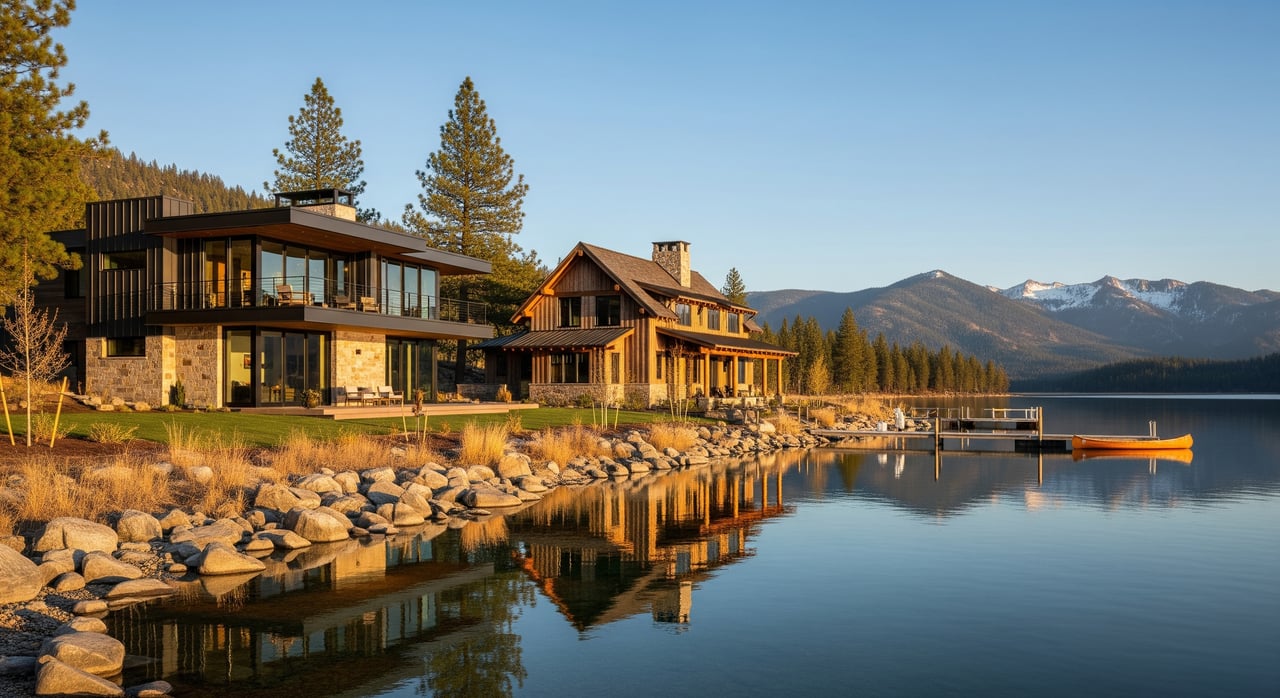
New Construction vs Existing Homes Near Cascade Lake
Is Cascade Lake calling your name, but you are torn between building new or buying an existing home? You are not alone. The lakeside lifestyle is special here, yet the path you choose affects cost, timing, and everyday practicality. In this guide, you will compare each option through a local lens and learn the steps that protect your investment. Let’s dive in.
Cascade sits in a mountain-lake setting where recreation drives demand and seasons shape schedules. Summer brings more buyer activity near the water, while winter can test access, snow loads, and utilities. Resale inventory can be tight, which is why some buyers consider new construction for customization or energy features. Keep the seasonal rhythm in mind as you plan timing and logistics.
New construction often shows a higher price per square foot because you get modern systems and builder warranties. Near the lake, site work adds real cost: shoreline permitting, lot grading, septic and well, driveway and access, and utility extensions. For a clear picture, compare the all-in build cost against the price of an existing home plus needed updates. Trends favor efficient, low-maintenance homes, a point the NAHB buyer guidance regularly highlights.
With a new build, you may use a construction loan that converts to a permanent mortgage, with draws and inspections during the build. Existing homes usually fit conventional financing, and some rural properties may qualify for USDA programs based on location and buyer eligibility. For an overview of construction-to-permanent basics, see Freddie Mac’s construction loan guidance. Talk with a lender experienced in rural Idaho projects before you choose a lot.
In mountain areas, a build can take several months to a year or more because weather, permits, and site work affect progress. Seasonal closures and snow can slow excavation and utility work, so build schedules need flexibility. By contrast, most existing-home closings finish in 30 to 60 days, though inspections and negotiations can extend that timeline. Decide how much delay risk you can accept.
New homes often need less immediate maintenance and may include better insulation, modern HVAC, or heat pumps. Builders typically offer limited warranties, such as one year on workmanship and longer on structure, but verify what is covered and for how long. Existing homes can require roof, septic, well, or insulation upgrades, though many buyers value established landscaping. Idaho’s baseline codes and contractor standards are set by the Idaho Division of Building Safety, so confirm your builder’s compliance and licensing.
If you buy early in a build, you can influence layout, orientation, and finishes. Custom choices usually add cost and can extend timelines, so set a clear budget and stick to it. Existing homes offer character and immediate occupancy, and you can renovate on your own schedule if needed.
Owning a lakefront lot does not guarantee you can alter the shoreline or add a dock. You may need approvals from Valley County Planning and Zoning and state or federal agencies. Water quality, setbacks, and erosion control all matter. For surface water and septic-related guidance, start with the Idaho Department of Environmental Quality.
Lakeside and low-lying parcels may fall within Special Flood Hazard Areas. Lenders can require flood insurance, and building in a flood zone can trigger elevation and design standards. Check the FEMA Flood Map Service Center for a property’s flood status before you make an offer.
Many properties rely on private wells and septic systems. New construction requires a perc test, septic design approval, and well permits, and steep slopes or shallow soils can complicate feasibility. For existing homes, review pump records, a recent septic inspection, and well yield and potability tests. See septic and water guidance at Idaho DEQ.
Confirm electric service availability and any line-extension costs for undeveloped lots with Idaho Power. Broadband can be limited in rural pockets, so verify providers and speeds, or consider satellite or fixed wireless options. For winter, confirm whether access roads are county maintained or subject to HOA or private plowing agreements.
Wildfire exposure varies across Idaho’s mountain corridors. New builds often incorporate defensible space and fire-resistant materials, which can help with insurance considerations. Roof design, snow loads, heating, and driveway grades all affect winter livability. For fire-safety practices, consult the Idaho Department of Lands.
Choose new construction if you value modern systems, energy features, and tailoring the home to your lifestyle, and if your timeline can flex with seasons and permits. Choose an existing home if you want near-term occupancy, established landscaping, and simpler financing. Either way, compare the full build cost to the purchase-plus-renovation path, and weigh insurance, access, and broadband as part of livability.
Buying or building near Cascade Lake involves unique layers of due diligence, from floodplain checks to septic feasibility and shoreline permitting. You deserve local advocacy that understands Valley County’s seasonal rhythms and agency processes. For a tailored plan and on-the-ground support, connect with the Sadie Noah Real Estate Group for a market consult or a property tour.
Sadie Noah Real Estate Group is a dynamic team of professionals dedicated to delivering exceptional service and results. With their expertise and passion, they guide clients through the real estate journey with care, ensuring their dreams become reality.