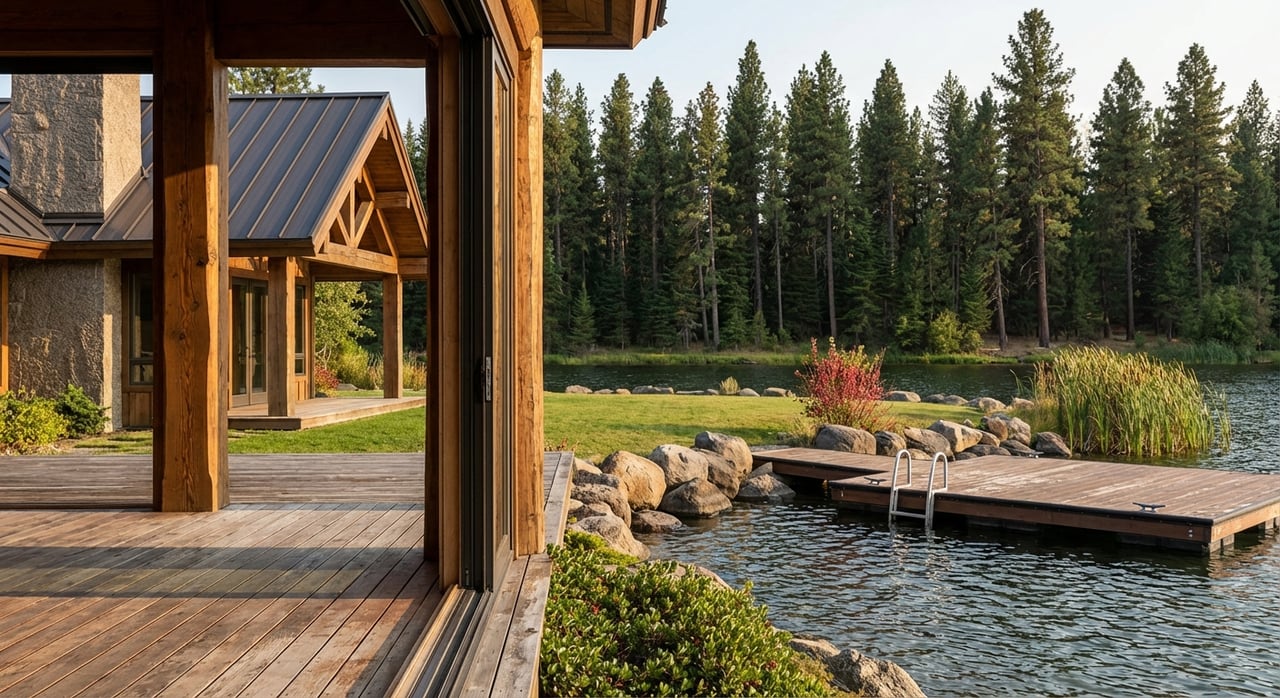
Lake Cascade Waterfront Living Buyer Guide
Ever picture your morning coffee with glass-calm water out front and mountains beyond? If you are eyeing a waterfront home on Lake Cascade, you will love the boating, fishing, and four-season scenery. You will also want a clear view of dock rules, water levels, and seasonal rhythms that shape daily life. This guide gives you the lifestyle details and the due-diligence checklist you need to buy with confidence. Let’s dive in.
Lake Cascade is a reservoir created by Cascade Dam on the North Fork of the Payette River. The facility is part of the Bureau of Reclamation’s Boise Project, which influences lake levels and shoreline management. You can review the project background on the Bureau of Reclamation’s Cascade Dam page for context on operations and permitting.
Because Lake Cascade is a federally managed reservoir surrounded by public recreation sites and private uplands, shoreline uses are more regulated than on a natural, fully private lake. Public ramps and day-use sites are plentiful, but private docks, marinas, and shoreline improvements can require federal, state, and county approvals.
Memorial Day through Labor Day is the busy season. Expect full boat ramps, lively beaches, and long days on the water with family and friends. Many owners plan gatherings around boating, paddleboarding, and swimming. Public recreation sites listed by the state and on Recreation.gov help concentrate access points, which can make traffic busiest near ramps and park units.
Spring runoff can shift water levels and access, while fall brings quieter shores and good windows for maintenance. In winter, Lake Cascade typically freezes enough for a strong ice fishing season. Local outfitters and shops provide current ice conditions and gear, and the community often centers weekend plans around time on the ice.
Many owners use Lake Cascade State Park facilities for day-to-day launching. The park and other managed sites install and remove handling docks seasonally, so your spring and fall plans may hinge on when ramps and docks are in place.
Marina capacity can change over time. For example, a public marina proposal at Poison Creek moved through environmental review and agency coordination in recent years. If a slip is part of your plan, verify current availability, waitlists, and operating seasons before you buy.
Around Lake Cascade, many docks and fuel services are seasonal. Some docks are removed or winterized in late fall and reinstalled in spring. If a property includes a dock, confirm whether it is permanent or seasonal and what permits or leases apply.
Valley County has adopted waterways rules that set no-wake zones and limit high-wake activities near shorelines and in certain arms of the lake. On summer weekends, areas near public ramps and beaches can be busy. If you favor quieter waters, check the nearest ramps and posted no-wake areas as part of your site visit.
Homes inside the City of Cascade often offer quicker access to groceries, services, and emergency response. In-town properties are also more likely to have municipal water and sewer. Always confirm utility details and permit history for any home you are considering.
Around the shoreline you will find rustic cabins, classic lake homes, and second homes. Some are used seasonally depending on road access and winter maintenance. Rural parcels commonly rely on private wells, septic systems, and propane for heat, so factor in annual septic checks and seasonal utility needs.
You will see a mix of subdivisions with shared access or community docks and standalone parcels with private frontage. If a home belongs to an HOA or uses a shared dock, review governing documents for maintenance responsibilities, rules on storage or landscaping, and limits on docks or shoreline improvements.
Rental rules vary by jurisdiction. If you plan to offset ownership with short-term rental income, first confirm whether the property lies in the City of Cascade, the City of McCall or its impact area, or unincorporated Valley County. Nearby McCall has a defined program with safety, occupancy, parking, and tax requirements, which is a useful example of how rules can look in practice.
Use this list to organize your pre-offer review. Where possible, ask for copies of permits, recorded easements, leases, and HOA documents.
Title and shoreline rights. Confirm if the deed includes riparian or shoreline access and whether any dock or boathouse sits on federal land that requires a lease or special-use permit. Ask the seller and title company for all related documents. Check the Bureau of Reclamation project page for the federal context.
Dock and slip status. Verify whether a property’s dock is permanent, seasonal, permitted, or unpermitted. If you plan to use a marina, confirm slip availability, waitlists, and seasonal closures. Look for updates via Idaho Parks & Recreation’s Lake Cascade page and Bureau of Reclamation notices.
Flood and dam-related risk. Ask Valley County about mapped flood zones and review FEMA flood maps. Because Cascade Dam operations influence lake levels, confirm whether flood insurance is recommended for the parcel. See the Bureau of Reclamation project page for operating context.
Utilities and wastewater. Many rural lake homes rely on private wells, septic systems, and propane. Confirm permit records and system capacity with Valley County Planning and Building. Start with Valley County Planning & Zoning resources.
Waterways and shoreline rules. Read Valley County’s waterways rules for no-wake zones and limitations on motorized use. Also review any HOA and local building rules that affect docks, boat storage, or landscaping. See the Valley County waterways ordinance.
Property insurance and wildfire. Ask insurers about wildfire exposure, waterfront liability, and seasonal-occupancy coverage. If you plan to rent short term, confirm your policy allows vacation rental use.
Fisheries and recreation expectations. If fishing motivates your purchase, check stocking reports and surveys for species and seasonality. Review Idaho Fish & Game’s Cascade Reservoir updates.
Winter access and maintenance. Verify county plowing, driveway snow management, and the steps to winterize docks, water lines, and septic. Seasonal dock notices appear on Idaho Parks & Recreation’s Lake Cascade page.
Zoning, building, and permits. Request a complete permit history to confirm that additions, septic, and well work were permitted and inspected. Start with Valley County Planning & Zoning resources.
Neighborhood use and noise. Ask about the mix of year-round homes and vacation properties near the home, typical summer weekend activity, and local enforcement of no-wake zones. The Valley County waterways ordinance provides current rules.
Waterfront homes on Lake Cascade offer long summer days on the water and quiet winter months that feel like your own private retreat. With the right due diligence, you can enjoy the best of both. If you want local guidance on docks, permits, utilities, and seasonal use, we are here to help. Request a personalized tour or buyer strategy with the Sadie Noah Real Estate Group.
Sadie Noah Real Estate Group is a dynamic team of professionals dedicated to delivering exceptional service and results. With their expertise and passion, they guide clients through the real estate journey with care, ensuring their dreams become reality.