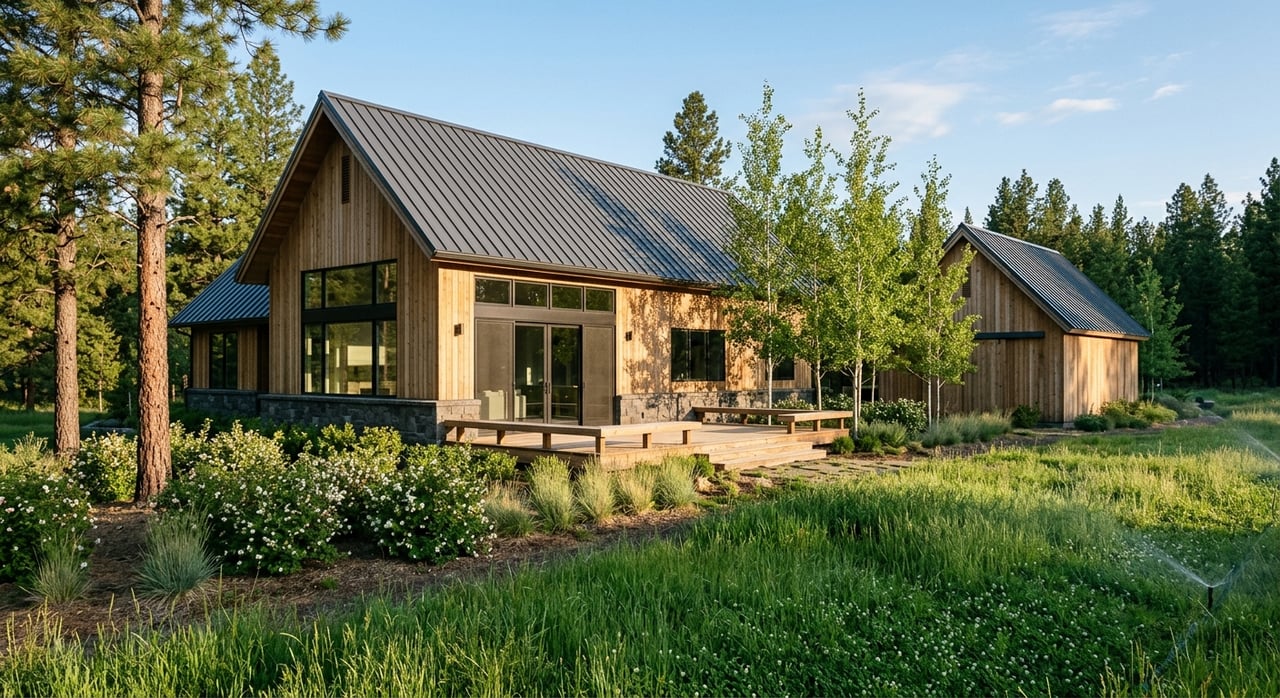
Is Council, Idaho Right For Your Homestead Or Hobby Farm?
Dreaming about a few acres, a big garden, maybe some animals, and room to build a simpler life? If Council, Idaho is on your radar, you are probably looking for more than just a house. You are looking for land, function, and a place that supports the day-to-day realities of a homestead or hobby farm. The good news is that Council has many of the traits buyers look for, but it also comes with important practical details to verify before you buy. Let’s dive in.
Council sits in a part of Idaho where rural land use is part of the local pattern, not a rare exception. According to the Idaho Department of Environmental Quality’s overview of the Weiser River subbasin, the area includes dryland and irrigated agriculture, range, forest, riparian areas, and open water, and much of the population is associated with small homesteads.
That matters if you want a property that fits an agricultural lifestyle. In and around Council, the surrounding landscape already reflects the kinds of uses many buyers want, such as pasture, gardens, orchards, livestock support, and working outbuildings. For many buyers, that makes Council feel more aligned with self-sufficient living than a town built around suburban density.
If your goal is a homestead or hobby farm, Council checks several important boxes. It offers a rural setting, agricultural land patterns, room for outbuildings, and access to the kind of outdoor lifestyle that often goes hand in hand with acreage ownership.
You may find Council especially appealing if you want:
This does not mean every parcel will work for your plans. It does mean Council is a market where those features are commonly part of the conversation.
For most homestead and hobby farm buyers, water is one of the biggest issues to verify. Idaho law treats water rights as real property rights, and the Idaho Department of Water Resources explains that irrigation organizations deliver water to acreage authorized for those rights.
In plain terms, you should not assume a property can irrigate pasture or a large garden just because it looks green in photos or was previously used a certain way. Before you move forward, confirm what water rights actually transfer with the property, whether irrigation delivery exists, and how water reaches the land.
A few smart questions to ask early include:
This kind of diligence can make a major difference in how usable the property will be for your long-term goals.
Council offers four-season living, but it is important to understand what that means for land use. NOAA data from the Council climate station shows an annual mean temperature of 49.2°F, with a January mean of 25.7°F and a July mean of 74.6°F.
The same data shows annual precipitation of 22.4 inches, while July and August average just 0.44 inches each. For you, that points to hot, dry summers and the need for dependable watering infrastructure if you plan to garden, maintain pasture, or support small livestock.
Practical growing and land-use takeaways include:
If you are thinking beyond the house, local building conditions matter too. The research report notes that Adams County lists a Council-area snow roof load of 80 pounds per square foot, wind load of 85 mph, and frost depth of 24 inches.
Those numbers matter when you are evaluating or planning structures like barns, shops, loafing sheds, storage buildings, or even future expansions. A property may look ready for your plans at first glance, but the details behind site prep, structural loads, and permitting can affect both cost and timeline.
One of the most important practical checks in Council is zoning. Adams County’s zoning code states that the General Agricultural District is intended for uses such as irrigated row crops, orchard production, grain or feed crops, and livestock grazing.
The code also sets a minimum lot size of 20 acres and a maximum density of one dwelling unit per 20 acres in that district. It specifically references shop buildings, barns, and home storage facilities in setback standards, which tells you these are expected uses, but still regulated ones.
Before you buy, it is wise to verify:
The county also provides forms for outbuildings and an agricultural building exemption, which can be helpful if your plans include support structures. Still, it is best to confirm details early so your vision matches what is allowed.
For many buyers, a homestead is not only about production. It is also about lifestyle. Council stands out here because of its strong access to nearby public land and recreation.
The U.S. Forest Service says the Council Mountain Area sits on the Council Ranger District and includes many private parcels, with access roads traveling through private land before reaching Forest Service land. The Council Mountain Trail is 14 miles long and open to hiking, mountain biking, horseback riding or pack stock, and motorcycles.
The Weiser River Trail also passes through Council and notes that it provides access to 16,000 acres of BLM and State lands that would otherwise be inaccessible to the public. If you picture a life that blends gardening, animals, riding, hunting, or trail access, that combination can be a real advantage.
A rural property often feels more manageable when basic services are close by. Council functions as a compact rural service center rather than a place that is only scattered acreage.
According to the Council School District, the town includes both an elementary school and a Jr./Sr. High School. The research report also notes that the Council Valley Free Library is in town and that the Chamber of Commerce highlights recurring local events such as the Halloween Festival, Easter Egg Hunt, 4th of July, Farmer’s Market, and Santa’s Workshop.
Adams County also bases key offices in Council, including assessor, clerk/recorder, building, and planning functions. For buyers, that means you can enjoy a rural setting while still having access to core services that support property ownership and day-to-day needs.
Council can be a great match, but it is not ideal for every buyer. If you want a low-maintenance property with minimal infrastructure responsibilities, rural acreage here may feel like more work than freedom.
You may want to think carefully if you prefer:
Homesteads and hobby farms can be rewarding, but they also ask more of you. In Council, success often comes down to choosing the right parcel, not just the prettiest one.
When you tour land in Council, try to look beyond surface appeal. A barn, fenced pasture, or green field can be a good sign, but the real value is in whether the property supports your goals legally and practically.
Use a checklist like this as you compare options:
A thoughtful review up front can save you time, money, and frustration later.
Council looks like a strong fit if you want a rural Idaho setting where homestead and hobby farm living make sense on the ground, not just in theory. The local landscape, agricultural zoning framework, climate, and recreation access all support the idea of a practical, self-directed lifestyle.
The key is to stay focused on the details that matter most, especially water rights, irrigation delivery, zoning, setbacks, and building requirements. If you want help evaluating acreage, comparing parcels, or identifying properties that match your long-term goals in Council and across West Central Idaho, Sadie Noah Real Estate Group can help you navigate the process with local insight and personalized guidance.
Sadie Noah Real Estate Group is a dynamic team of professionals dedicated to delivering exceptional service and results. With their expertise and passion, they guide clients through the real estate journey with care, ensuring their dreams become reality.