New Meadows In-Town vs Valley Living Explained
Are you torn between the convenience of living in town and the space of a rural property just outside New Meadows? You are not alone. Many buyers weigh everyday services against privacy, acreage, and views before making a move. In this guide, you will learn the real differences between in-town New Meadows and the Meadow Valley area so you can match your lifestyle, budget, and risk tolerance with the right place. Let’s dive in.
“In-town New Meadows” refers to homes within city limits and nearby residential streets that are typically served by municipal services and have standard street addresses. “Meadow Valley” describes the rural parcels, ranches, and subdivisions outside city limits that are marketed as Meadow Valley or the New Meadows area.
Why this matters: jurisdiction drives zoning rules, taxes, permitting authority, road maintenance responsibility, utility service, school districting, and emergency response. City ordinances generally apply in town, while Adams County rules apply outside city limits.
In town, you will see smaller lots with modest single-family homes, some older or historic houses, and occasional duplexes or accessory structures. You gain quick access to the post office, dining, and services.
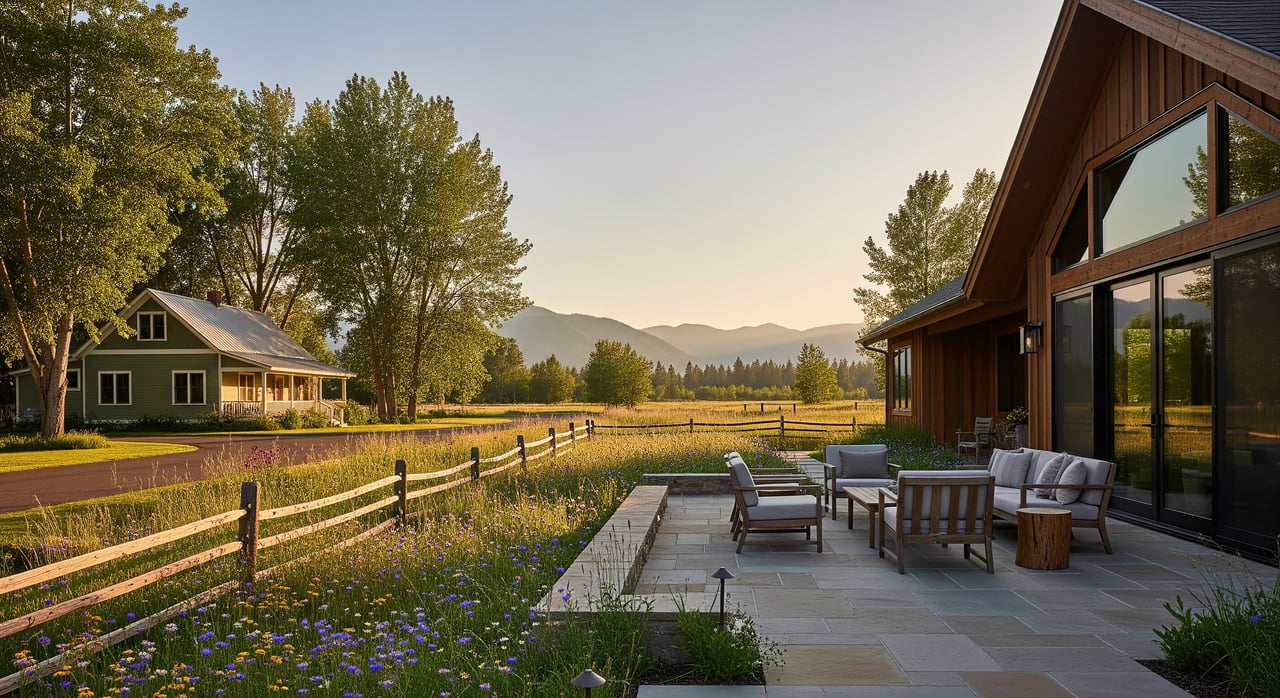
In Meadow Valley, properties often sit on larger acreage with room for animals, outbuildings, and storage. You will find ranches, hobby farms, newer custom homes, cabins, and seasonal or second-home properties. Many buyers choose Meadow Valley for privacy, panoramic views, and direct access to the outdoors.
In town, homes are more likely to have municipal water and sewer, regular trash collection, street lighting, and sidewalks. These services simplify ongoing maintenance and can reduce uncertainty during inspections.
In Meadow Valley, expect private wells and septic systems, with heating commonly via propane, oil, electric, or wood. Trash service may be private, and some parcels can be partially or fully off-grid. Always confirm a property’s water and sewer setup through the listing and by checking city or county records.
In town, streets are plowed and you have shorter distances to groceries, schools, clinics, and services. Winter driving is usually more predictable.
In Meadow Valley, drive times are longer and some roads or driveways are private. County road maintenance may cover only part of your route. In heavy snow years, seasonal access can be an issue. Verify who maintains the road and driveway and learn the local plowing schedule before you buy.
City zoning and municipal ordinances apply in town. Outside city limits, Adams County Planning and Zoning governs land use, including setbacks, density, and agricultural allowances. Always confirm a parcel’s zoning, permitted uses, and any conditional use requirements with the proper authority.
Private wells in rural areas require permits and registration through the Idaho Department of Water Resources. For any property with a well, request a well-flow test and water quality testing for common parameters like coliforms and nitrates.
Onsite septic systems are regulated through county public health departments and the Idaho Department of Environmental Quality. Soil type, perc results, and drainfield design determine whether an expansion or new build is feasible. A professional septic inspection and, when needed, a perc and soil evaluation are essential.
Check city or county permit records for all structures and upgrades. Unpermitted additions or outbuildings can complicate financing, insurance, and future resale. If you are planning a barn, shop, or guest structure, confirm requirements up front to avoid surprises.
Legal access is not optional. Obtain a title report and plat to confirm your access is by public right-of-way or a recorded easement. If a driveway crosses another parcel, review any maintenance agreements and confirm culvert permits or standards if you plan new access.
Rural homes near grasslands or timber can sit in wildland-urban interface zones with heightened wildfire risk. State and local guidance typically focuses on defensible space, ember-resistant features, and clear evacuation routes. Plan for vegetation management and discuss mitigation practices with the local fire district.
Valleys often include creeks, floodways, and seasonal drainages. Even if a parcel is not mapped in a high-risk FEMA zone, snowmelt or localized flooding can affect driveways and structures. Review flood maps, look for signs of past water flow, and ask about historic drainage patterns. If needed, explore flood insurance options.
Snow affects how you heat, build, and access a property. Confirm roof design for snow load, the capacity and age of heating systems, and how fuel deliveries work during storms. In rural settings, plan for regular snow removal and safe storage for generators, fuel, and winter gear.
Property taxes reflect Adams County mill rates, and in-town properties may include city levies. Rural parcels can have different assessments and, in some cases, agricultural classifications. Review the assessor’s records for assessed value, tax history, and any special assessments.
Lenders view rural acreage differently than in-town homes. Appraisals on large parcels can be complex when comparable sales are limited. USDA Rural Development programs may be an option, and FHA or VA loans can work for qualifying single-family homes. Many conventional loans require confirmed legal access and potable water. Pre-qualify with a lender experienced in rural Idaho properties and discuss appraisal and acreage limits early.
Rural homes in higher wildfire risk areas may see higher premiums or mitigation requirements. Flood insurance depends on FEMA designations and lender needs. If you plan to keep livestock, ask about additional liability coverage. Get quotes early in your due diligence to avoid delays or budget surprises.
In-town coverage is often stronger and more consistent. In Meadow Valley, signal and speeds can vary by ridge, tree cover, and provider. Check FCC broadband information, talk to local providers, and test coverage on site. Many rural owners also consider satellite internet options like Starlink.
In-town properties tend to be closer to schools and local clinics. Rural addresses often mean longer school bus rides and extra travel time for urgent or specialty care. Review school district maps and plan your routes to primary care and emergency services.
New Meadows offers everyday essentials and dining. For major shopping or specialized services, many rural residents plan trips to larger towns. Meadow Valley’s appeal often includes hunting, fishing, horseback riding, ATV trail access, and open space. In town, you trade some acreage for community convenience.
Choose in-town New Meadows if you want:
Choose Meadow Valley if you want:
Assemble records: zoning confirmation, permits, well log, septic permit and pumping records, and any recent inspections.
Map access and maintenance: document road jurisdiction, plow schedules, and any shared road agreements.
Utility clarity: list water and sewer sources, power provider, heating fuel, and internet options.
Mitigation and maintenance: address defensible space, clean up drainages, service HVAC, and pump septic if due.
Disclosures: note known easements, encroachments, outbuilding status, and any unpermitted work.
Buying or selling in New Meadows requires local know-how. From confirming zoning and utilities to reading flood and wildfire maps, you deserve a guide who has navigated rural and resort transactions for decades. Our boutique team pairs hands-on service with professional marketing so you can make confident decisions, whether you prefer in-town convenience or Meadow Valley elbow room.
Ready to compare properties or prep your home for market? Request a personalized plan or property tour with the Sadie Noah Real Estate Group.
Sadie Noah Real Estate Group is a dynamic team of professionals dedicated to delivering exceptional service and results. With their expertise and passion, they guide clients through the real estate journey with care, ensuring their dreams become reality.