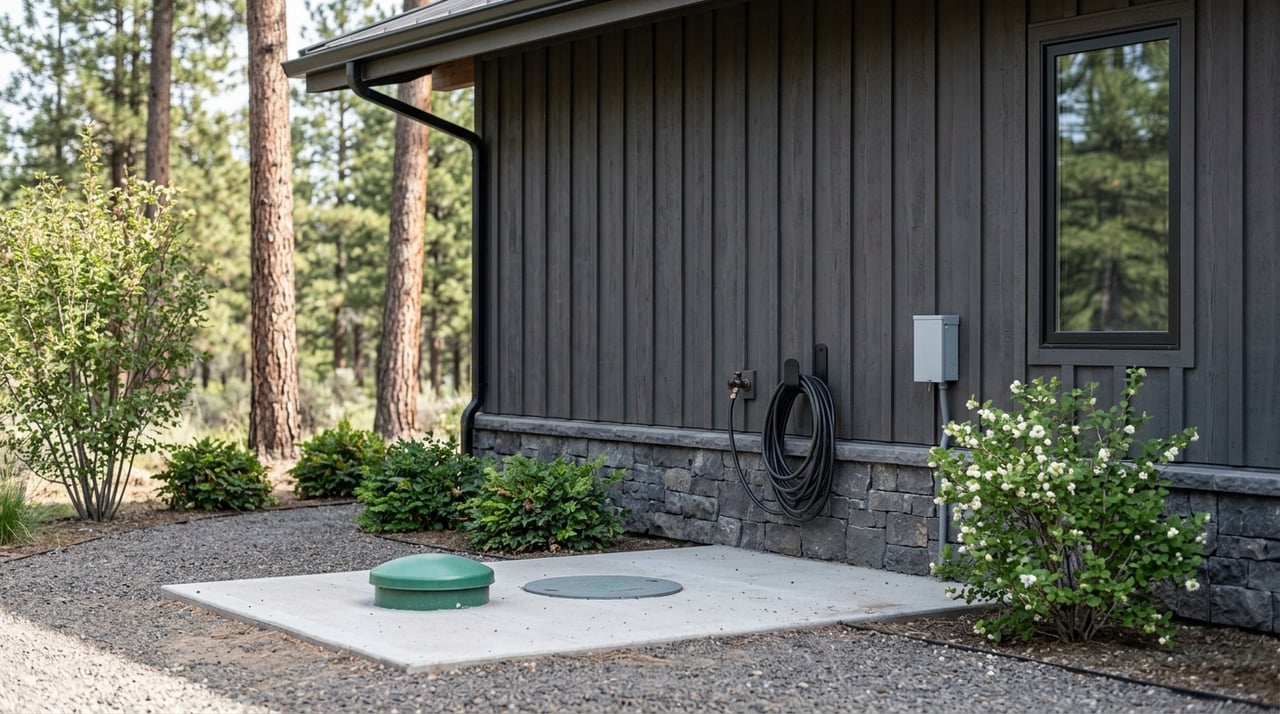
Getting Your Council Property Ready To Sell
Selling a property in Council can feel simple at first, until the questions start. Where are the exact boundaries? Is the septic paperwork on hand? Were the shop or additions permitted? If you get ahead of those details before you list, you can make your property easier to market, easier to show, and easier for buyers to evaluate. Let’s dive in.
In the Council area, first impressions matter just as much for rural properties as they do for homes in town. Clean, accessible land photographs better, shows better, and gives buyers more confidence when they arrive.
A strong first step is basic cleanup. That can include mowing or trimming overgrowth, treating noxious weeds, removing junk piles, and hauling away leftover repair debris. Adams County Weed Control states that landowners are responsible for controlling noxious weeds, and the county waste system accepts yard waste and other debris.
If you have old construction materials or demolition waste on the property, sort that out early. Adams County notes that construction and demolition waste may require a copy of the building permit to dump at no charge. That is one more reason to have your permit records organized before listing.
Buyers tend to notice unfinished work right away. Peeling paint, damaged steps, loose railings, broken gates, or half-finished projects can create questions that carry through the rest of the showing.
If your property includes a shop, addition, manufactured home setup, or another outbuilding, take a close look at its condition and paperwork. Adams County's building department has separate permit instructions for residential buildings, outbuildings, and manufactured homes, and it may require engineering and plan copies depending on the project.
Before your listing goes live, confirm that recent improvements were permitted if required and that the paperwork matches what is actually on the ground. That step can help reduce surprises once a buyer starts due diligence.
For many Council-area properties, boundaries and access matter just as much as the house itself. If a buyer is looking at acreage, pasture, timber ground, or a rural home site, they will likely want a clear picture of what is included and how the property is reached.
Adams County's assessor says the parcel database can show acreage, assessed value, improvements, and some building and septic permit records. The office also keeps plat maps, which can be useful when you are checking how county records describe your property.
Your pre-listing file should include your current deed, legal description, recorded easements, and any recent survey or lot-line adjustment paperwork. Adams County's recorder states that recordable real-property instruments need an original grantor signature, notarization, the grantee's mailing address, and a full legal description.
That may sound technical, but the takeaway is simple. If you already have these documents together, you can answer buyer questions faster and avoid a scramble later.
If acreage has changed over time, or if a boundary line was adjusted, make sure county records reflect that. Adams County notes that acreage changes or boundary changes may require mapping review, with a title company or surveyor helping prepare documents needed for a lot-line adjustment.
Planning & Zoning also offers forms for Boundary Line Adjustments, property splits, land change requests, and subdivision change requests. If you have been thinking about changing a boundary or splitting land, it is often better to explore that before marketing rather than in the middle of a transaction.
Access questions can become major transaction issues if they are discovered late. Adams County GIS provides a public parcel map and FEMA flood insurance rate map, and the Road & Bridge department maintains county roads and posts a right-of-way permit.
If your property access depends on a driveway, culvert, or roadside approach, it is smart to check whether any county approval or right-of-way issue needs attention before closing. Buyers often want that sorted out before they commit.
For rural sellers in Council, well and septic paperwork is often some of the most important information you can provide. These records help buyers understand how the property functions and can prevent last-minute delays.
Southwest District Health oversees environmental health services for Adams County and handles septic permitting, licensing, and record requests through its portal. It states that septic tanks and drainfields require permitting, an on-site evaluation is required before a subsurface sewage disposal permit is issued, and both the permit and site evaluation are non-transferable between owners.
One of the best things you can do before listing is create a simple property packet with key documents. For many Council-area homes and land listings, that packet should include:
Southwest District Health notes that accessory-use approvals can be required for barns, shops, and other outbuildings if they may affect the septic system. If you have added or changed outbuildings, check whether that applies to your property.
The Idaho Department of Water Resources says a well owner or well driller must obtain a drilling permit before drilling and must use a licensed driller. Its well-construction search can return details such as well depth, geology, depth to water, water levels, flow rate, and scanned well logs.
If you have your well log and service records ready before a buyer asks, you can save time and reduce uncertainty. This is especially helpful for out-of-area buyers who may be less familiar with private well systems.
The Idaho Department of Environmental Quality states that private wells are not regulated under the Safe Drinking Water Act and that owners are responsible for making sure the water is safe. DEQ also says nitrate and bacteria should be tested at least once a year and recommends keeping accurate maintenance records.
If you have recent water testing history, include it in your file. Even when buyers plan to do their own inspections, organized records can help them feel more comfortable moving forward.
A smooth sale often depends on whether the paperwork reflects the actual property. That includes the home, outbuildings, acreage, classifications, and system records.
Adams County's assessor says parcel records may show timber and agricultural classifications along with acreage and improvements. If your property has agricultural or timber classification, those county records matter even more because they affect how the land is described in county files.
Take time to compare your records to what is physically on the property. If you see differences in acreage, structures, or permit history, address them early if possible.
Once the property itself is ready, turn to the disclosure side of the sale. In Idaho, this is an important part of preparing a residential listing.
Idaho's Property Condition Disclosure Act requires sellers of residential real property to complete a disclosure form for transfers of one to four dwelling units, subject to statutory exemptions. The law also says that if an item is unknown, a reasonable approximation is allowed when it is clearly identified as such.
For many Council-area residential sellers, the core pre-listing file should include:
The Idaho disclosure form itself encourages purchasers to obtain their own professional inspections. That fits the reality of many rural transactions, where buyers want to review maps, permits, and utility records as part of their decision-making.
If your home was built before 1978, federal law requires disclosure of known lead-based paint hazards before the sale or lease of most housing built before 1978, along with the required pamphlet. If that applies to your property, prepare that packet in advance so it does not become a last-minute item.
Council-area buyers often look closely at the practical details of a property. They may be evaluating year-round access, build history, acreage accuracy, septic location, or private well information just as closely as they evaluate layout and views.
That is why good preparation does more than make your listing look better. It helps your property feel more credible, more transparent, and easier to understand.
When your records are organized and your property is cleaned up, your marketing can do its job more effectively. Professional photography, strong presentation, and clear buyer information work best when the basics are already in place.
If you are thinking about selling in Council or nearby Adams County, a thoughtful pre-listing plan can help you avoid delays and present your property with confidence. To create a personalized market plan for your property, connect with Sadie Noah.
Sadie Noah Real Estate Group is a dynamic team of professionals dedicated to delivering exceptional service and results. With their expertise and passion, they guide clients through the real estate journey with care, ensuring their dreams become reality.