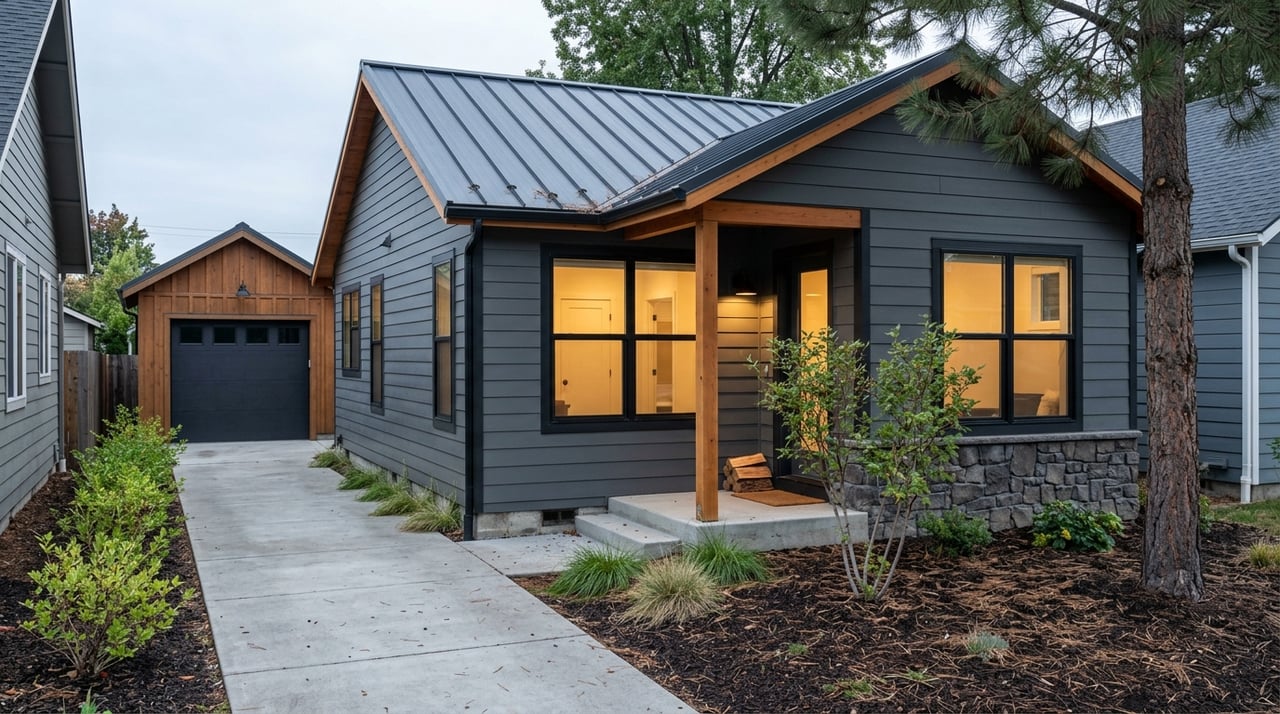
Choosing A Council Homestead Or In-Town Home
Looking at homes around Council and wondering whether you should choose a place in town or go for a rural homestead? It is a common question in Adams County, where small-town convenience and wide-open space both have real appeal. The right fit depends on how you want to live day to day, what kind of property you want to manage, and how much due diligence you are prepared to do before closing. Let’s dive in.
Council is the county seat of Adams County and sits between Cuddy Mountain and Council Mountain. The city describes itself as a place for small-town living with strong access to recreation, which helps explain why buyers are drawn to both homes in town and acreage outside city limits.
Adams County remains a very sparsely settled market, with an estimated 2025 population of 5,013 and about 3.2 people per square mile. The county also has a high owner-occupied housing rate of 84.7%, and the median value of owner-occupied homes is $376,500. For buyers comparing lifestyle options, that tells you this is a market where ownership, space, and long-term use matter.
An in-town home usually offers a simpler daily routine. You are closer to the city’s administrative and utility network, and the city points residents to services like public works, utility payments, planning and zoning, emergency services, waste disposal, parks and recreation, and other local resources.
That can make a big difference if you want convenience built into your purchase. For many buyers, especially full-time residents or remote workers who want an easier setup, being closer to town services can mean fewer moving parts once you own the home.
Broadband is also part of the equation in Adams County. Census data reports broadband subscriptions in 76.8% of households, which matters if you work from home or need dependable connectivity for daily life. While service levels can vary by property, this is one reason many buyers look closely at homes with easier access to established infrastructure.
When you buy inside or near town, you may enjoy:
That does not automatically make an in-town home better. It simply means the lifestyle often feels more service-oriented and less land-management heavy.
A homestead-style property outside town often offers what many people come to West Central Idaho to find: space, privacy, and a stronger connection to the landscape. If you picture room for a shop, barn, garden, equipment, or simply more breathing room, rural parcels can be very appealing.
That lifestyle comes with tradeoffs. In many cases, you will be farther from the city service network and more dependent on county systems, property access, and your own planning. For the right buyer, that is part of the appeal. For others, it can come as a surprise if they do not ask the right questions early.
Adams County Road and Bridge maintains 381 miles of roads. Its work includes snow clearing, blading gravel roads, pothole repair, chip and crack sealing, brush and tree removal, sign posting, and maintenance of bridges, culverts, and cattleguards.
That is a strong reminder that road condition matters a lot on acreage. If you are shopping for a homestead, you should pay close attention to year-round access, winter travel, and what kind of road reaches the property.
Many buyers choose a rural property because they want flexibility. You may be thinking about adding a shop, outbuilding, mobile home, or future residence improvements.
The Adams County building department publishes permit checklists for outbuildings, mobile homes, and residential projects, and it notes that plans may require engineering. That means your vision for the property should be checked against county requirements early, not after closing.
Both options can work well, but they support different lifestyles. Here is a simple way to think about the choice.
| Consideration | In-Town Council Home | Rural Homestead Near Council |
|---|---|---|
| Daily convenience | Closer to city services and utilities | More independent, often farther from services |
| Space and privacy | Usually less land | Typically more room and separation |
| Property management | Often simpler | Often more hands-on |
| Road access concerns | Usually less complex | Important to verify road condition and winter access |
| Building plans | Check city zoning and setbacks | Check county permits and possible engineering needs |
| Recreation feel | Close to town with access outward | Often stronger direct access to open space |
Whether you buy in town or outside it, the biggest mistakes usually happen when buyers assume instead of verify. In the Council area, your first questions should be practical and property-specific.
This is one of the most important questions you can ask. A property inside city limits may be governed through city planning and zoning resources, while a rural property may fall under county processes.
That difference affects how you approach use, improvements, and approvals. It is especially important if you plan to remodel, add structures, or change how the property is used over time.
Access is not a small detail in Adams County. For a rural parcel, road maintenance and winter conditions can shape your experience as much as the home itself.
Because Adams County Road and Bridge handles a large road network, buyers should understand what road serves the property and what maintenance expectations come with it. This matters for everyday convenience, snow season planning, and long-term ownership costs.
If you are buying for flexibility, confirm that flexibility before you commit. The county building department provides permit checklists for several common project types, and some plans may require engineering.
For in-town homes, city planning and zoning resources also matter. Before you count on an addition, garage expansion, or other project, confirm the rules that apply to the specific parcel.
The Adams County assessor’s GIS page provides parcel information, tax-code areas, and a FEMA flood map. These tools can help you verify boundaries, access, and possible flood-related considerations before you move forward.
This step is especially useful for larger or more complex rural lots. It can also help you avoid confusion about where a property starts, how it is accessed, and what site conditions may affect your plans.
For many buyers, Council is not just about the house. It is also about the lifestyle around it. Payette National Forest is a major draw, with recreation that includes hiking, fishing, camping, hunting, skiing, snowmobiling, biking, horse riding and camping, off-highway vehicle use, scenic drives, and water activities.
If outdoor access is a big reason you are moving or buying here, a homestead-style property may feel like the better fit. You may value quicker access to trails, forest roads, and open space more than you value being close to town services.
Near Council, the Council Mountain Area is accessed about 3 miles south of town on County Road 199 and about 5 miles south on County Road 186. The Forest Service notes that both roads pass through private lands before becoming Forest Service roads, and it warns that the area contains many private parcels.
That is important for buyers who want recreation close at hand. Easy outdoor access is a major advantage, but it also means you should understand where private land begins, what route you are using, and whether you need the Forest Service Motor Vehicle Use Map before traveling nearby forest roads or trails.
Council Mountain Trail #198 is another lifestyle draw. The 14-mile trail is open to hiking, biking, pack and saddle stock, and motorcycles, which gives outdoor-minded buyers one more reason to think carefully about where they want to live.
If you want convenience, easier connection to city resources, and a simpler ownership routine, an in-town Council home may be the stronger match. This option often fits buyers who want to spend less time thinking about land logistics and more time enjoying a straightforward day-to-day setup.
If you want room to spread out, more privacy, and stronger access to the rural landscape, a homestead may be the better choice. This path can be especially attractive if you want future structures, more land use flexibility, or a property that feels more directly connected to the outdoors.
The best choice is the one that matches how you will really live, not just what looks appealing in photos. In a market like Council, that means balancing lifestyle goals with road access, jurisdiction, permit requirements, and long-term property plans.
If you are weighing a Council homestead against an in-town home, local guidance can make the process much clearer. For tailored insight on properties in Council and across West Central Idaho, Sadie Noah can help you compare options and find the right fit for your goals.
Sadie Noah Real Estate Group is a dynamic team of professionals dedicated to delivering exceptional service and results. With their expertise and passion, they guide clients through the real estate journey with care, ensuring their dreams become reality.